
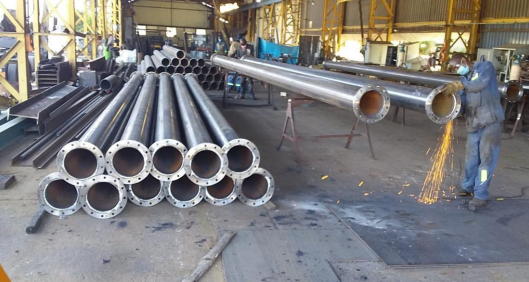
What is Pipe Fabrication?
Pipe fabrication refers to the process of cutting, bending, and assembling pipes to create a complete system that meets the specifications and requirements of a project. This process typically takes place in a controlled environment such as a fabrication shop, where skilled workers use specialized tools and equipment to shape and prepare pipes for installation.
Key Steps in Pipe Fabrication:
- Design and Planning: The first step in pipe fabrication is designing the system layout and determining the necessary specifications. Engineers and designers create blueprints and detailed drawings that outline the dimensions, materials, and configurations of the pipes. Accurate planning is essential to ensure the system meets safety standards and operates efficiently.
- Material Selection: Choosing the right material for the pipes is critical for the system’s performance. Common materials include carbon steel, stainless steel, copper, and plastic, each suited for different applications based on factors like temperature, pressure, and the type of fluid being transported.
- Cutting and Shaping: Once the materials are selected, the pipes are cut to the required lengths using techniques such as sawing, shearing, or plasma cutting. Bending machines are then used to shape the pipes into the desired configurations, ensuring they fit the design specifications.
- Welding and Assembly: Welding is a key aspect of pipe fabrication, as it ensures a strong, leak-proof connection between the sections of pipe. Skilled welders use various techniques, such as TIG (Tungsten Inert Gas), MIG (Metal Inert Gas), and stick welding, depending on the material and project requirements. After welding, the individual components are assembled to form the complete pipe system.
- Inspection and Testing: Quality control is essential in pipe fabrication. After assembly, the pipes undergo rigorous inspections and testing to ensure they meet safety standards and are free from defects. Common tests include pressure testing, radiographic inspection, and ultrasonic testing.
What is Pipe Installation?
Pipe installation involves transporting the fabricated pipes to the job site and assembling them into the final operational system. This process requires careful coordination and skilled labor to ensure the system functions as intended.
Key Steps in Pipe Installation:
- Site Preparation: Before the pipes can be installed, the job site must be prepared. This includes clearing the area, setting up supports, and ensuring that the site is safe for installation. The preparation stage is critical for avoiding delays and ensuring a smooth installation process.
- Positioning and Securing: The pipes are carefully positioned according to the design plans, ensuring that they align correctly with other components of the system. Proper alignment is crucial to prevent stress on the pipes, which could lead to leaks or system failure. Supports, clamps, and brackets are used to secure the pipes in place.
- Welding and Joining: In some cases, additional welding or joining may be required during installation. Skilled workers connect the pipes using welding, flanges, or mechanical joints, depending on the project specifications. The connections must be leak-proof and able to withstand the pressure and temperature conditions of the system.
- Pressure Testing and Inspection: Once the pipes are installed, they undergo pressure testing to ensure there are no leaks or weaknesses in the system. Inspectors check the integrity of the pipes and connections, ensuring compliance with safety and quality standards.
- Commissioning: After the installation and testing are complete, the pipe system is commissioned, which involves starting the system and ensuring it operates as intended. This stage may include making final adjustments and calibrations to optimize performance.
Best Practices for Pipe Fabrication and Installation
To ensure the success of pipe fabrication and installation projects, the following best practices should be followed:
- Ensure Precise Planning: A well-thought-out design and detailed planning are critical to the success of any pipe fabrication and installation project. Accurate blueprints, material specifications, and a clear installation plan help avoid costly errors and delays.
- Use Skilled Labor: Both fabrication and installation require skilled workers who are trained in techniques like welding, cutting, and pipe fitting. Investing in skilled labor ensures high-quality work and reduces the risk of errors.
- Adhere to Safety Standards: Safety is paramount in both the fabrication and installation of pipe systems. Workers should follow all relevant safety regulations and use personal protective equipment (PPE) to minimize risks on the job site.
- Regular Inspection and Testing: Rigorous inspection and testing at each stage of the process help identify potential issues early, ensuring the final system meets all quality and safety standards.
- Leverage Technology: Modern technology, such as 3D modeling software and automated welding equipment, can enhance the precision and efficiency of pipe fabrication and installation. Using the latest tools and equipment helps streamline the process and ensures accuracy.
Conclusion
Pipe fabrication and installation are essential processes in many industries, providing reliable systems for transporting fluids and gases. By following best practices, investing in skilled labor, and adhering to safety standards, companies can ensure their pipe systems are durable, efficient, and safe. Proper planning and execution of these processes are critical to the long-term success of any project, from oil pipelines to water treatment facilities.


