
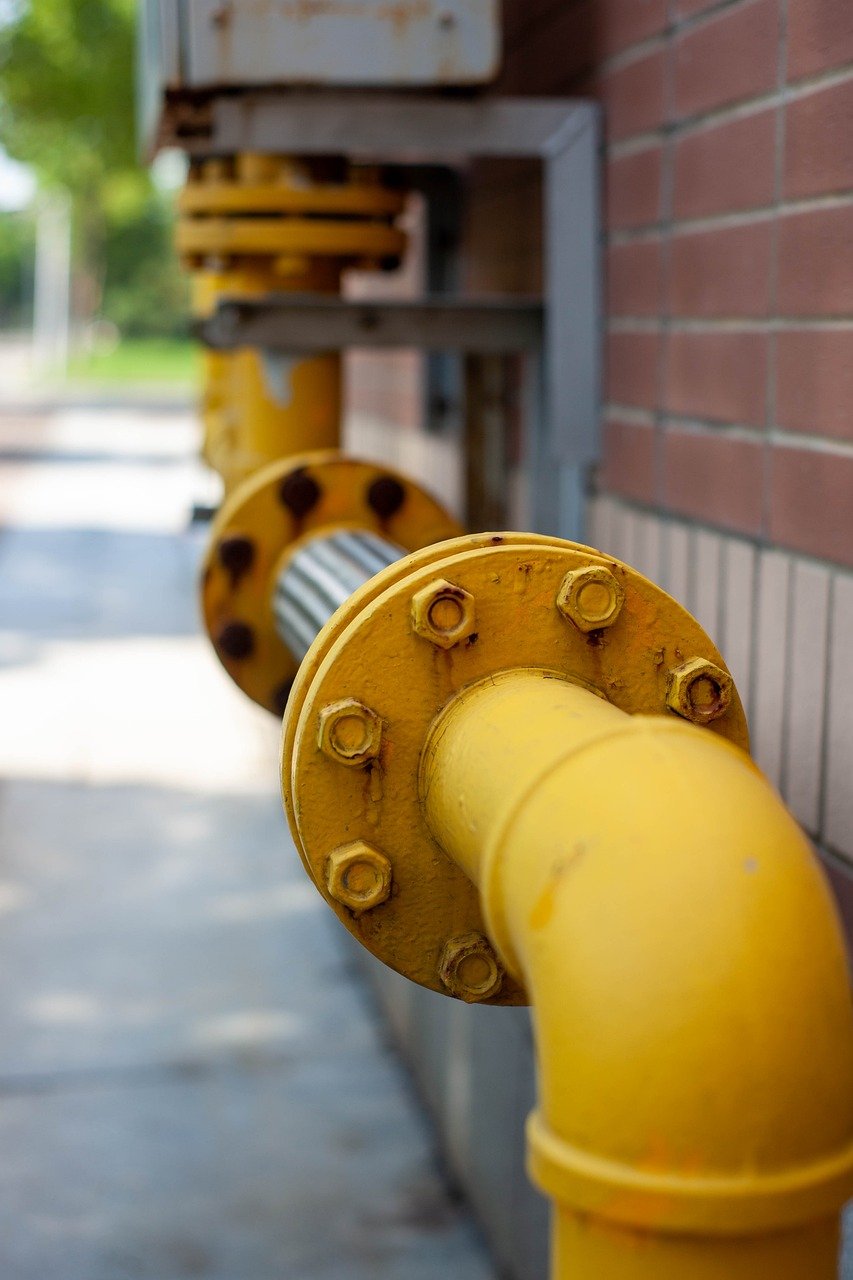
In the industrial world, the backbone of fluid and gas transportation systems revolves around reliable piping, flanges, fittings, bolts, and nuts. These components are essential for building robust and leak-proof systems, used in various industries like oil and gas, mining, power generation, chemical processing, and more. For a supplying company, ensuring a top-tier selection of these products is key to meeting the diverse needs of your clients.
1. Piping Systems
Piping is the primary medium through which fluids and gases are transported. It’s crucial in industries like oil and gas, mining, manufacturing, and water treatment. Piping materials come in several forms, each with specific applications:
- Mild Steel Piping: Widely used in industries due to its durability and ability to handle high-pressure systems. Carbon steel is ideal for oil and gas operations and steam piping.
- Stainless Steel Piping: Known for its corrosion resistance, stainless steel is commonly used in industries where exposure to moisture, chemicals, or extreme temperatures is a concern.
Why Quality Piping Matters
Poor quality piping can lead to frequent leaks, system downtime, or even catastrophic failures, leading to costly repairs and operational delays. When supplying piping materials, ensure that your products meet industry standards, such as ASME, ASTM, or API certifications, and are tailored to specific operational requirements.
2. Flanges
Flanges are essential components that connect pipes, valves, pumps, and other equipment. They serve as points of connection in piping systems, making it easier to inspect, modify, or repair pipelines. Flanges are categorized by their design and function:
- Weld Neck Flanges: These are ideal for high-pressure applications and feature a long hub that is welded to the pipe. The weld provides reinforcement, making it stronger than other types.
- Slip-On Flanges: Slip-on flanges are easy to install and are usually used in lower-pressure systems.
- Blind Flanges: Used to seal off pipelines, blind flanges can be removed to access the closed section for maintenance or system expansion.
- Lap Joint Flanges: Ideal for systems where frequent disassembly is required. These flanges are used with a stub end and are cost-effective for high-cost alloy piping systems.
Importance of Precision in Flanges
Flange misalignment can lead to leakage, system failure, and increased maintenance costs. As a supplier, ensuring the dimensional accuracy and material quality of the flanges is crucial. High-quality flanges ensure long-term system reliability, reducing operational risks for your clients.
3. Fittings
Fittings allow the connection of different sections of pipes and are used to adjust the flow, change direction, or connect pipes of varying sizes. The most commonly supplied fittings include:
- Elbows: Used to change the direction of flow in a piping system, typically available in 45°, 90°, or custom angles.
- Tees: Allow the flow to be divided into two separate paths. Tees are used in systems that require branch connections.
- Reducers: Connect pipes of different diameters, allowing for a transition in size to either increase or decrease flow rates.
- Couplings: These are used to join two pipes together. There are different types like full couplings and half couplings depending on the need.
Why Fittings Need to be Top-Grade
In a fluid or gas transportation system, fittings are among the most vulnerable points for leaks or pressure loss. Choosing fittings made from the right material and design for specific applications is key. Corrosion-resistant materials like stainless steel or alloy fittings should be available for highly corrosive environments.
4. Bolts and Nuts
Bolts and nuts are the unsung heroes that hold the entire piping system together. A securely fastened connection ensures the integrity of the system. In high-pressure or high-temperature applications, the right selection of bolts and nuts can prevent catastrophic failures. There are several key considerations when selecting bolts and nuts:
- Material: Materials such as carbon steel, stainless steel, or alloyed metals provide varying degrees of strength and corrosion resistance.
- Coatings: Anti-corrosion coatings like zinc plating or galvanization are used in environments exposed to harsh conditions.
- Grades: Fasteners come in different grades that signify their tensile strength. High-tensile bolts are crucial in systems under significant pressure.
The Role of Bolts and Nuts in System Safety
In any industrial application, loose or inadequate bolting can result in leaks, reduced system efficiency, and safety hazards. For this reason, supplying certified, high-quality fasteners is critical for any company dealing with industrial clients.
5. Choosing the Right Supplier
The selection of reliable piping, flanges, fittings, bolts, and nuts goes beyond just choosing high-quality materials. It’s about establishing a relationship with a supplier that understands the complexity of industrial systems and delivers products that adhere to strict industry standards.
- Customization Options: Industrial systems often require custom parts to meet unique design or functional requirements. Offering customization will enhance your business’s appeal.
- Industry Certifications: Clients will look for materials and products that comply with international standards like ISO, ANSI, and ASME.
- Timely Delivery: In industrial applications, delays in getting the right materials can result in significant downtime. A good supplier will have a reputation for timely deliveries.
- Technical Support: Offering technical support and guidance ensures that clients use the right components for their specific needs, reducing errors and downtime.
Conclusion
As a supplying company, the key to success in the market is offering a comprehensive range of top-quality piping, flanges, fittings, bolts, and nuts. With the right products and reliable customer support, you can build long-term relationships with clients across industries. Whether it’s a high-pressure oil pipeline or a low-pressure water system, your products should inspire trust and ensure the safe and efficient operation of industrial systems.
By supplying these components with precision and reliability, you’ll be well-positioned as a leading partner in the industrial supply chain.


