
Heavy and Medium Steel Fabrication and Installation: A Comprehensive Overview
Steel fabrication and installation play a crucial role in many industries, from construction and manufacturing to mining, energy, and infrastructure development. The terms “heavy” and “medium” steel fabrication refer to different scales and complexities of steel structures and components. Understanding the nuances of both is essential for ensuring the success of large-scale industrial projects.
What is Steel Fabrication?
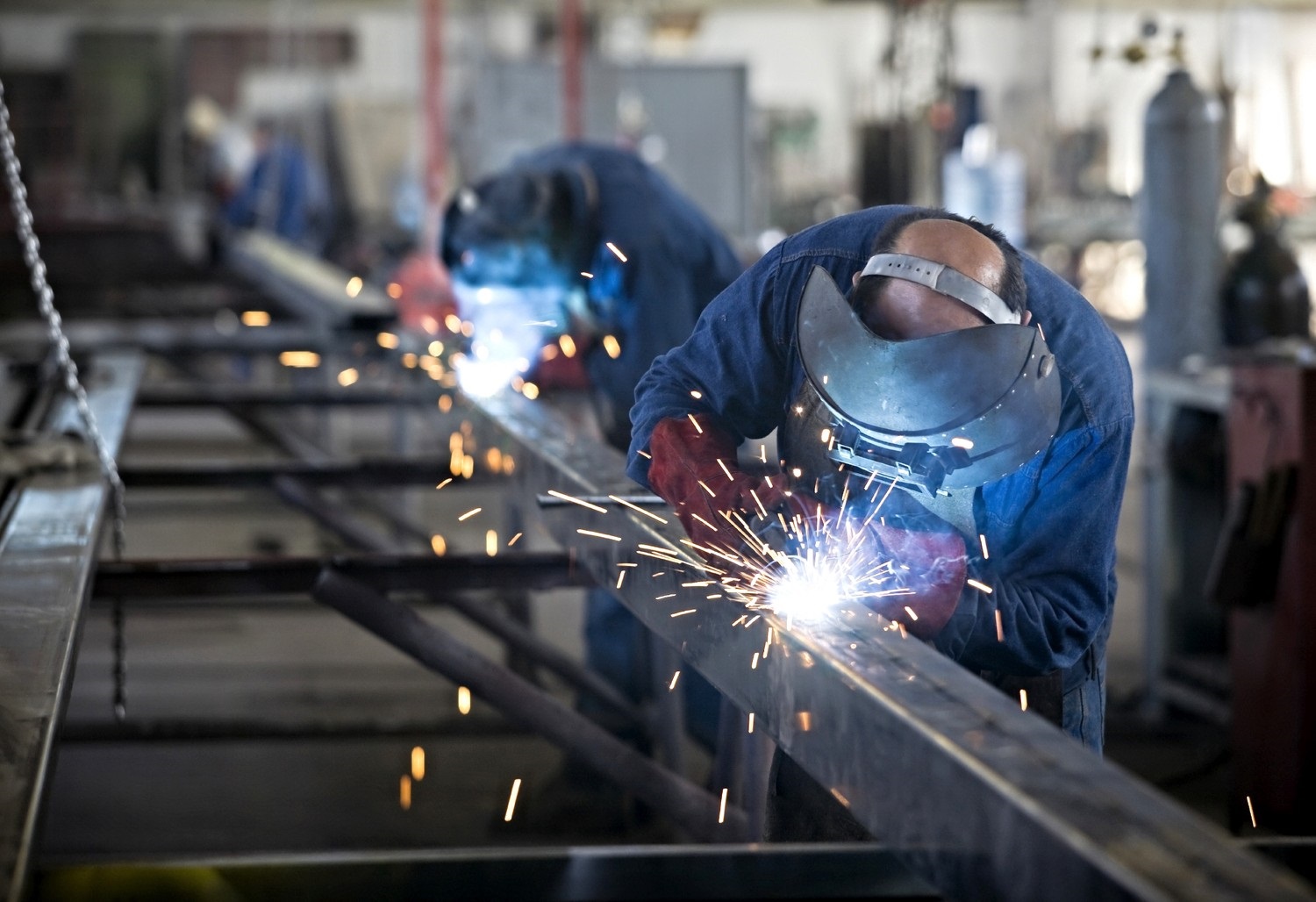
Steel fabrication is the process of cutting, bending, and assembling steel to create structures or components. This involves various techniques like welding, machining, and assembling, all performed by skilled professionals using advanced tools and equipment. The fabricated steel components are often used in the construction of buildings, bridges, industrial plants, mining facilities, and many other applications.
Heavy Steel Fabrication
Heavy steel fabrication involves the creation of large, robust steel components and structures designed to withstand extreme loads and harsh conditions. This type of fabrication is primarily used in industries like mining, oil and gas, power generation, shipbuilding, and large-scale infrastructure projects.
Key Characteristics:
- Massive Scale: Heavy steel structures, such as mining rigs, power plant frameworks, and industrial pipelines, are designed to handle significant weight and stress.
- Complexity: These projects often require advanced engineering and a high degree of precision, as they must comply with strict safety and quality standards.
- Material Strength: Heavy steel fabrication uses high-grade materials, such as carbon steel and alloy steel, which offer superior strength and durability.
- Specialized Equipment: Fabricating and installing these structures demands specialized tools and heavy machinery, such as CNC machines, plasma cutters, and heavy-duty welding equipment.
Applications of Heavy Steel Fabrication:
- Mining: Equipment like conveyors, hoppers, and crushing plants require heavy-duty steel fabrication due to the harsh environments and high loads involved.
- Oil and Gas: Refineries, offshore drilling platforms, and pipelines depend on heavy steel fabrication for their structural integrity.
- Power Plants: The frames, boilers, and turbines in power generation facilities are fabricated from heavy steel to handle high-pressure environments.
- Shipbuilding: The hulls and superstructures of large ships are made from heavily fabricated steel to withstand oceanic forces.
Medium Steel Fabrication
Medium steel fabrication typically refers to the production of steel components that are smaller and lighter than those in heavy fabrication but still critical for various industrial applications. Medium steel fabrication is commonly used in construction, manufacturing, and smaller infrastructure projects.
Key Characteristics:
- Moderate Scale: Medium steel fabrication is often used for smaller structures like building frames, walkways, staircases, and guardrails. While still robust, these components are less massive than those used in heavy fabrication.
- Versatility: Medium steel structures are employed across a wide range of industries, including commercial construction and mechanical manufacturing.
- Cost-Efficiency: Compared to heavy steel, medium steel fabrication can be more cost-effective, particularly for projects that don’t require extremely high load-bearing capabilities.
- Simpler Processes: Medium fabrication projects typically require fewer complex techniques than heavy fabrication, although precision is still paramount.
Applications of Medium Steel Fabrication:
- Construction: Medium steel fabrication is essential for constructing commercial buildings, warehouses, and residential structures, particularly in framing, roofing, and stairwell components.
- Manufacturing: In industries such as automotive and industrial machinery, medium steel fabrication is used to create smaller parts like chassis, brackets, and platforms.
- Infrastructure: Bridges, tunnels, and road infrastructure often employ medium steel for components that don’t need to support massive loads but still require durability and strength.
Installation of Fabricated Steel Structures
Once steel components are fabricated, their installation is a critical phase that ensures the safety, durability, and functionality of the structure. The installation process involves transporting the fabricated steel to the construction site, assembling it according to engineering plans, and securing it in place through methods like welding, bolting, or riveting.
Installation Steps:
- Site Preparation: Before installation, the site is prepared by leveling the ground, laying foundations, and ensuring all necessary support structures are in place.
- Transport: Heavy and medium steel components are transported using specialized trucks and cranes. Due to the size of heavy steel structures, logistics can be complex, requiring careful planning.
- Assembly: Once on-site, the steel components are lifted and assembled using cranes and other equipment. Precision in alignment is crucial to ensure the structure’s integrity and safety.
- Securing: Components are secured through welding or mechanical fastening. For heavy structures, additional bracing or temporary supports may be required during the installation process.
- Quality Control: After installation, the structure undergoes a thorough inspection to ensure it meets safety and engineering standards. Nondestructive testing (NDT) methods like X-rays and ultrasonic testing are often used for heavy steel installations.
Challenges in Steel Fabrication and Installation
- Precision and Accuracy: Ensuring that steel components are fabricated and installed with the exact specifications is crucial to the structural integrity of the project. Even small deviations can lead to failures.
- Safety: Handling large and heavy steel structures poses significant safety risks during installation. Proper safety measures, including protective gear and expert supervision, are vital.
- Environmental Factors: For industries such as mining or offshore drilling, environmental factors like extreme weather and corrosive elements can affect both the fabrication and installation of steel structures.
- Logistics: The sheer size and weight of heavy steel components make transport and installation logistically challenging. Crane capacities, site access, and equipment availability must all be carefully considered.
Conclusion
Steel fabrication and installation are essential for a wide range of industries. Heavy steel fabrication supports large-scale industrial and infrastructural projects, while medium steel fabrication caters to more moderate applications. Both require high levels of expertise and precision during the fabrication and installation phases to ensure long-lasting, reliable structures. Whether it’s for mining equipment, oil rigs, or construction frameworks, steel’s strength and versatility make it an invaluable material in modern industry.


